The GIA International Diamond Grading System was established to create a universal standard for diamond grading, ensuring that buyers worldwide can make informed decisions based on consistent criteria. This system is centered on the 4Cs of diamond grading—cut, color, clarity, and carat weight—as detailed on the GIA diamond grading chart. This grading methodology has been adopted by leading gemological institutes globally, including the International Gemological Institute (IGI). Notably, IGI was the first major diamond grading laboratory to apply the 4Cs grading system to Lab Grown Diamonds.
This adoption highlights the equivalency in validity, reliability, and trustworthiness between certificates issued by the GIA and those by the IGI. For our clients, it's important to know that most of our diamonds come with IGI certificates, ensuring they meet the high standards set by the globally recognized GIA system.
When purchasing loose diamonds or jewelry, such as diamond engagement rings, they often come with a grading report from either GIA or IGI that provides details of the 4Cs. These reports can be used for appraisal and insurance purposes. Since lab grown diamonds are real diamonds, they are graded exactly as per the GIA natural diamond grading system, using the same parameters as for mined diamonds.
Lab created diamonds are physically, optically, and chemically identical to mined diamonds when compared side by side. This means that quality lab grown diamonds are also officially graded using the 4Cs by independent gemological organizations. The 4Cs of lab grown diamonds will vary, just like in natural diamonds, and they can range in grade from poor to excellent.
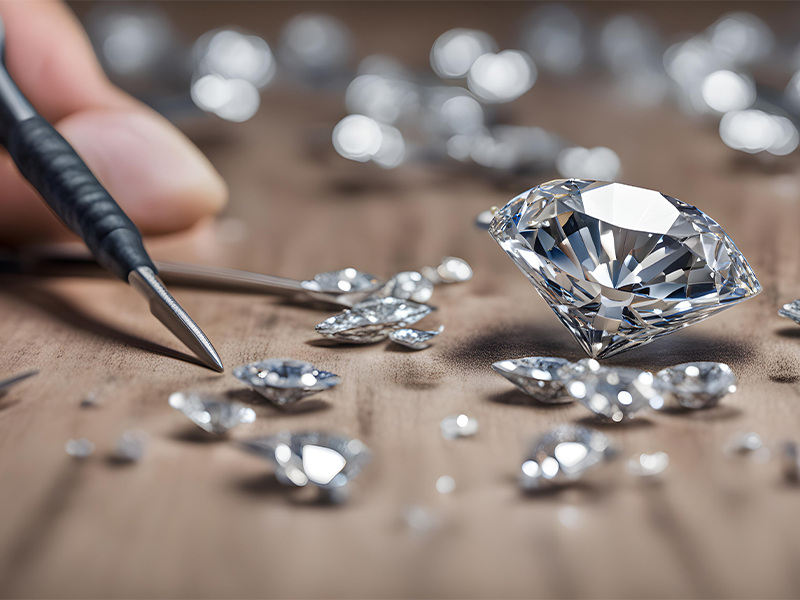
The cut of a diamond is more than just its shape; it dictates how effectively the diamond captures and reflects light, resulting in its unique sparkle. Diamonds with an excellent cut are highly brilliant, fiery, and sought-after, while poorly cut diamonds may appear lackluster and dark, even if they have high color or clarity grades.
The intense brilliance of a well-cut diamond can also create the illusion of a larger size compared to other diamonds of the same carat weight. Ideally cut diamonds have greater brilliance and a larger appearance than diamonds with deeper cuts.
The cut is often regarded as the most crucial aspect of the 4Cs because it significantly influences a diamond’s overall look and quality. Jewelers frequently advise giving priority to the diamond’s cut above all other characteristics.
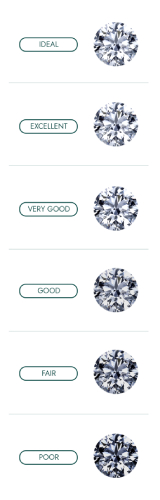
The quality of a diamond's cut is determined by its proportions and symmetry, which require the skill of an expert craftsman. Diamonds are graded on a scale from Ideal to Poor, with higher cut grades exhibiting more brilliance, even to the untrained eye.
Only round brilliant diamonds can achieve an Ideal Cut. The alignment of their facets allows for precise proportions, maximizing sparkle and symmetry.
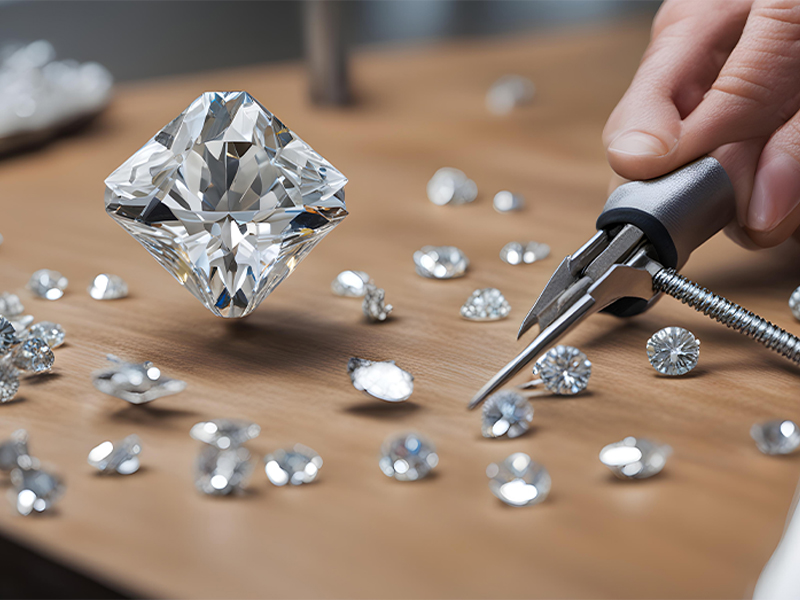
Fancy-shaped diamonds, such as oval, pear, and emerald cuts, have different facet arrangements, making it challenging to reach the Ideal Cut grade. However, this doesn't imply that fancy-shaped diamonds lack quality. They can still receive Excellent grades and display remarkable brilliance and fire.
Brides looking for unique shapes shouldn’t worry about compromising on quality or beauty when selecting a fancy-shaped diamond. Opt for diamonds with Excellent polish and symmetry grades to ensure a high-quality stone that reflects your individuality.
Fancy-shaped diamonds receive the same grades as round diamonds, but gemologists evaluate them differently. Round diamonds are assessed with precise measurements, while fancy-shaped diamonds are graded using a more subjective approach that considers the stone’s overall appearance and the execution of its cut.
A well-cut diamond exhibits four essential characteristics: brilliance, dispersion, fire, and scintillation.
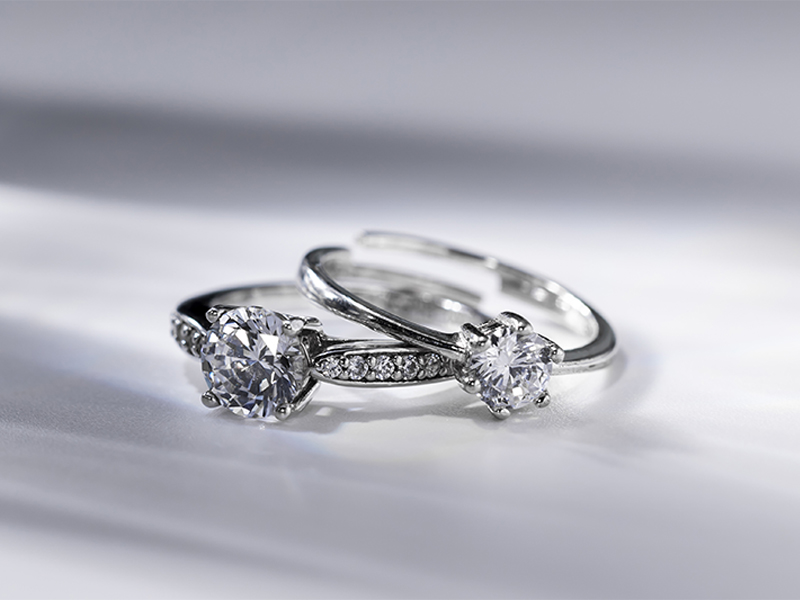
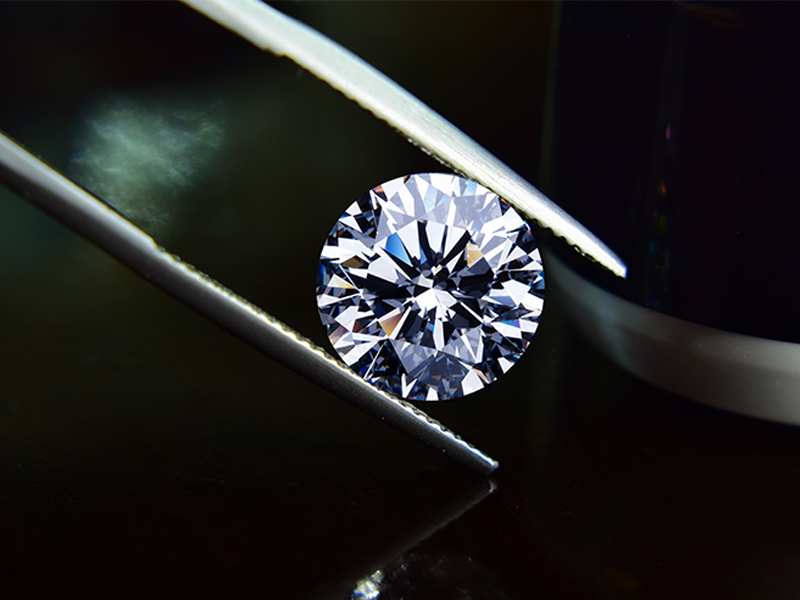
An Ideal Cut diamond is a perfectly cut stone designed to reflect nearly all the light that enters it.
Creating an Ideal Cut diamond requires meticulous precision in the cutting process. In these diamonds, the depth and table percentages, crown and pavilion angles, and girdle thickness are all finely tuned.
The result is a diamond that offers a superior blend of brilliance, fire, and scintillation, acting as a prism when it interacts with light. This intense sparkle can make the diamond appear larger than its actual size.
Many Ideal Cut diamonds display patterns resembling hearts and arrows. The hearts are visible from the bottom, while the arrows are seen from the top. These diamonds are often referred to as Hearts and Arrows diamonds, adding a romantic touch to their exceptional cut.
Lab grown diamonds are cut with the same techniques and tools as mined diamonds, resulting in them being graded using the same system.
In addition to being an ethical and cost-effective choice, lab grown diamonds often have superior cuts. The synthetic material is generally more consistent and has fewer flaws than natural diamonds, making it easier for cutters to create high-quality stones. This results in lab grown diamonds that often exhibit exceptional sparkle and beauty.
When choosing a diamond, prioritize the cut, as it has the most significant impact on the diamond’s radiance. Factors such as clarity, color, and carat weight can be considered secondary. A smaller diamond with an excellent cut will be more captivating than a larger stone with a poorer cut.
When selecting the perfect diamond, opt for a stone with minimal color presence. Diamonds are categorized into five main color types on a scale from D to Z: colorless, near colorless, faint, very light, and light.
The color grade indicates the absence of color in a diamond. The less color present, the greater the brilliance and sparkle. While diamonds can come in various colors of the rainbow, colorless or white diamonds are traditionally valued the highest.
Jewelers advise choosing a diamond with the least amount of color for a classic look. However, for those open to colored diamonds, this factor may not be a concern. Nevertheless, color is often regarded as the second most important factor in diamond valuation.
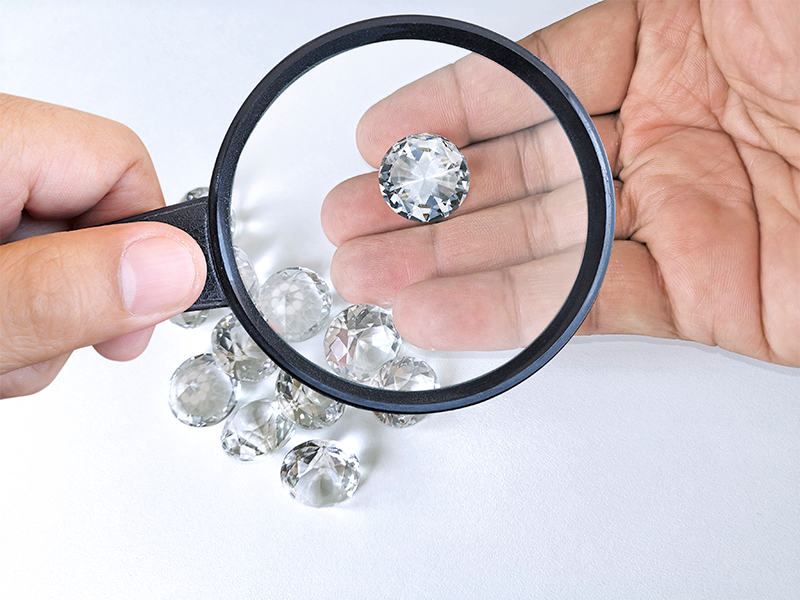
Diamond color is graded on a scale from D to Z, categorized into five main groups:
The presence of color differences is subtle and challenging for an untrained eye to discern. Typically, differences are noticeable only when diamonds are two grades apart, and this may vary depending on the diamond's orientation. Face-up, diamonds appear nearly colorless, while their side profile may reveal slight hues, partially obscured by the ring setting.
Colorless diamonds (D-F grades) are the rarest and most valuable, exhibiting minimal to no visible color. Near colorless diamonds (G-J grades) offer excellent value, appearing colorless to the naked eye when mounted. Each category provides unique options depending on personal preferences and budget considerations.
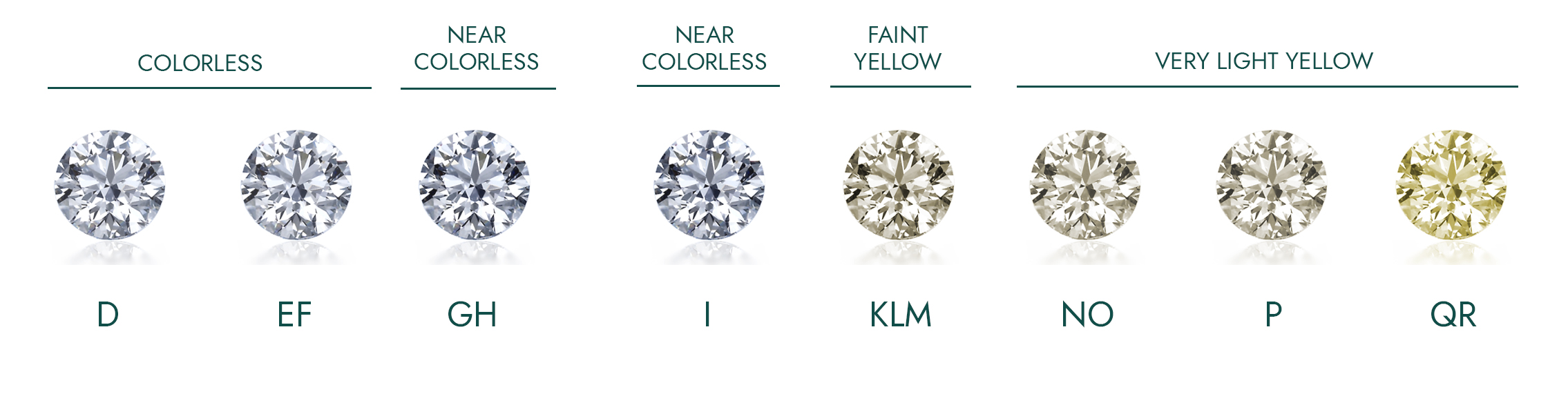
Diamond color is graded on a scale from D to Z, categorized into several groups:
These distinctions in diamond color are subtle and may not be noticeable to the untrained eye, particularly once the diamond is mounted. Each category offers unique characteristics and options to suit different preferences and budgets.
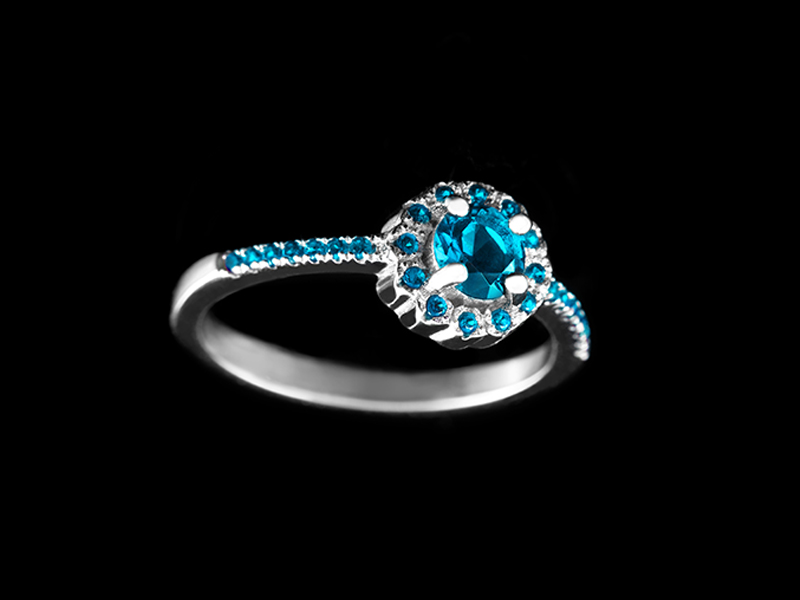
The choice of metal for your diamond setting can enhance its color and appearance. Here’s how to ensure your diamond looks its best by selecting the most flattering metal:
Choosing the right metal setting can significantly enhance the overall appearance of your diamond, ensuring it shines brilliantly and complements your personal style.
For those enchanted by vibrant, colorful diamonds, fancy colored diamonds offer a mesmerizing sparkle.
Diamonds occur naturally in nearly every hue: yellow, blue, pink, green, purple, red, orange, gray, and even black. Fancy colored diamonds, whether natural or lab grown, are prized for their rarity; only about 1% of lab grown diamonds exhibit color.
The rarity and purity of color define the value of fancy colored diamonds. Pink and blue diamonds are among the most coveted due to their intense hues. Yellow diamonds, while more common, are cherished for their warm, golden tones.
Fancy colored diamonds are graded based on their hue, tone, and saturation. Hue determines the primary color of the diamond, tone assesses its lightness or darkness, and saturation measures the intensity of the hue.
These diamonds are categorized by their color intensity on a scale that ranges from lightest to darkest:
For instance, a light blue diamond would be classified as a Fancy Light Blue Diamond, while a vivid pink diamond might be labeled as a Fancy Deep Pink Diamond.
Fancy Deep diamonds are highly prized for their richness, though those preferring softer shades can find hues that suit their aesthetic in the lighter ranges.
Lab grown diamonds replicate natural diamond creation processes, which can result in variations in quality, including color. It's crucial to apply the same rigorous standards for color grading to lab grown diamonds as to mined diamonds.
Ultimately, the choice of diamond color should reflect personal preference. While colorless or intensely colored diamonds may hold high value in traditional terms, the most valuable diamond to you is the one that you find most beautiful, whether it's a faint color or a vivid hue.
Diamond clarity refers to the presence of imperfections, known as inclusions, both on and within the stone. Even in lab grown diamonds, these tiny flaws can occur during the growth process and are unique to each diamond. When inclusions are minimal and not visible to the naked eye, diamonds are considered "eye clean," typically graded SI or higher on the clarity scale.
The clarity of a diamond affects how light passes through it. Inclusions can obstruct light dispersion, diminishing the diamond’s brilliance and sparkle. Diamonds with fewer inclusions are rarer and more valuable. The most highly prized diamonds are flawless, with no visible imperfections.
For those seeking a diamond that dazzles without distractions, selecting a stone without visible inclusions is key. Diamonds graded "VS1" or higher offer a high likelihood of being free from imperfections visible to the naked eye, ensuring optimal brilliance and beauty.
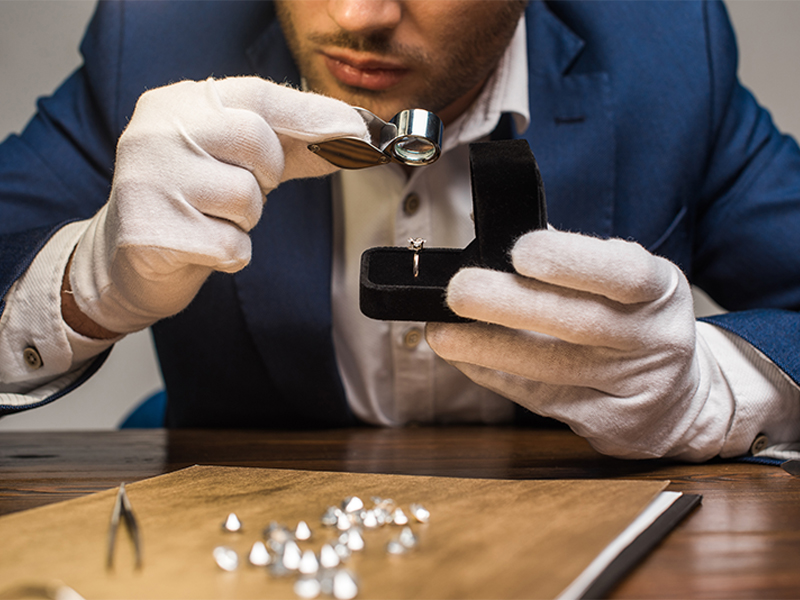
Every diamond undergoes clarity grading, a process involving close examination under 10X magnification. Gemologists assess the quantity, relief, and positioning of inclusions to determine the clarity grade.
The clarity scale ranges from Flawless (FL) to Included (I3). Some grades include subcategories such as Very Very Slightly Included 1 (VVS1) and Very Very Slightly Included 2 (VVS2). Higher numbers within a grade indicate more visible inclusions both on and within the diamond.
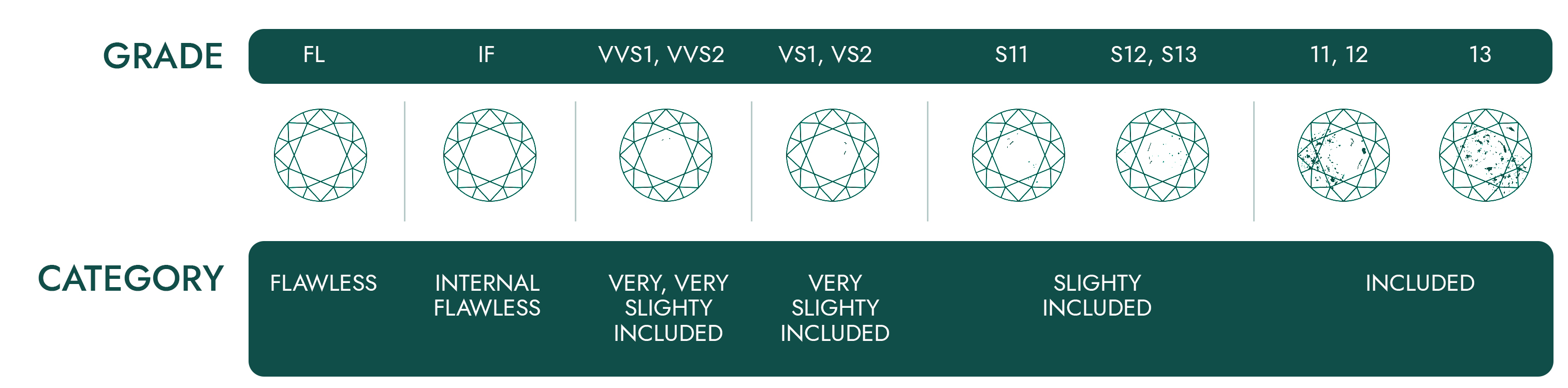
Diamond clarity grades assess the presence and visibility of imperfections, known as inclusions, within the diamond. Here’s an overview of the clarity scale:
The term "eye clean diamonds" refers to diamonds whose inclusions cannot be seen without magnification, usually graded VS1 or higher. These diamonds are highly sought after for their clarity and brilliance.
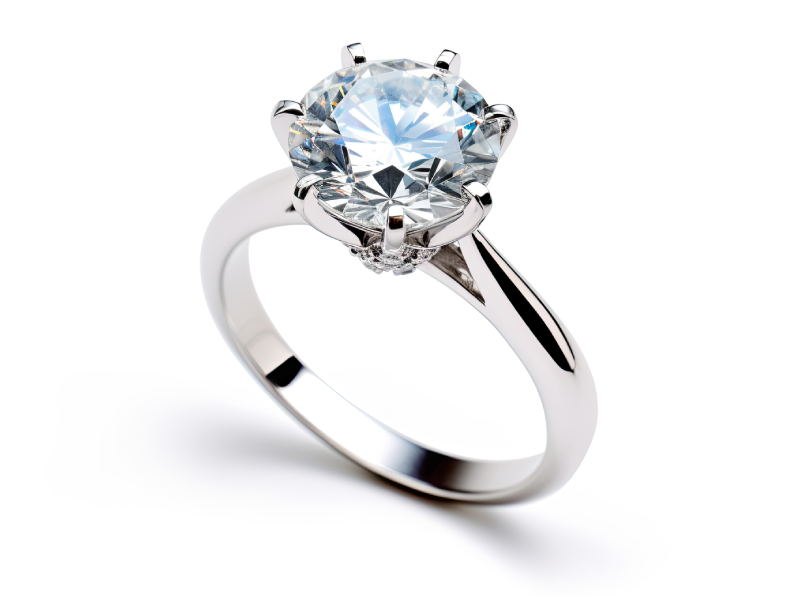
The shape of a diamond plays a role in how imperfections, or inclusions, are perceived:
While brilliant cut diamonds in round, cushion, oval, radiant, or pear shapes are generally better at hiding inclusions, step-cut diamonds can still be chosen if they have a higher clarity grade. For a diamond with a clean sparkle and exceptional brilliance, look for at least VVS2 clarity in brilliant cuts and VS2 or higher in step-cut diamonds.
The 4Cs of diamonds work together to create a harmonious balance, with clarity and color having a significant interplay:
Finding the right balance between clarity and color ensures you choose a diamond that showcases both its colorlessness and brilliance effectively.
Lab grown diamonds often boast higher clarity grades compared to mined diamonds due to their controlled growth environment. However, like mined diamonds, they can still exhibit imperfections that affect their clarity grade.
During the growth process, small metallic inclusions can occur in lab grown diamonds. These may originate from the metallic flux used to transport carbon gas to the diamond seed under high pressure and temperature conditions. These inclusions, though typically visible only under magnification, are graded similarly to those found in mined diamonds.
Some lab grown diamonds are produced using chemical vapor deposition, which can lead to minute amounts of graphite forming around the diamond seed during growth.
Despite these variations, lab grown diamonds adhere to the same clarity grading scale as mined diamonds. This consistency allows consumers to use familiar clarity ratings to select diamonds that meet their desired standards of brilliance and clarity.
Carat is a crucial measurement in determining the value of a diamond, representing its physical weight. One carat equals 200 milligrams or 1/5 of a gram. Diamonds are further subdivided into 100 points, providing precise measurements to the hundredth decimal place. Typical diamond weights range from 0.25 carats to 5 carats.
Carat weight is one of the most objective factors in diamond valuation, directly correlating with the diamond's size. Unlike other aspects of diamond grading, carat weight is measurable and standardized. When diamonds are cut and polished from raw form, up to two-thirds of their original weight may be lost.
The term "carat" originates from the carob seed, historically used as a counterweight for measuring diamonds until the 20th century. Its uniform size and shape made it a reliable tool in the diamond trade.
Carat weight is a measure of a diamond's physical mass, not its size. While carats provide a standard unit for weight, a diamond's size also depends on its shape, how the weight is distributed, and the quality of its cut. This means that two diamonds of the same carat weight can appear differently in size.
It's important to note that a higher carat weight doesn't automatically mean a better diamond. A smaller diamond with an excellent cut can sparkle more brilliantly than a larger diamond with a poorer cut. Most diamonds available for purchase are one carat or less, and the average engagement ring diamond is typically smaller than a carat.
High-quality diamonds with larger carat weights are highly valued. Because high-quality rough diamonds are rare, finding larger diamonds with exceptional clarity and cut can be more challenging and therefore more expensive. For instance, a single 2-carat diamond of high quality will generally cost more than two 1-carat diamonds of the same quality combined.
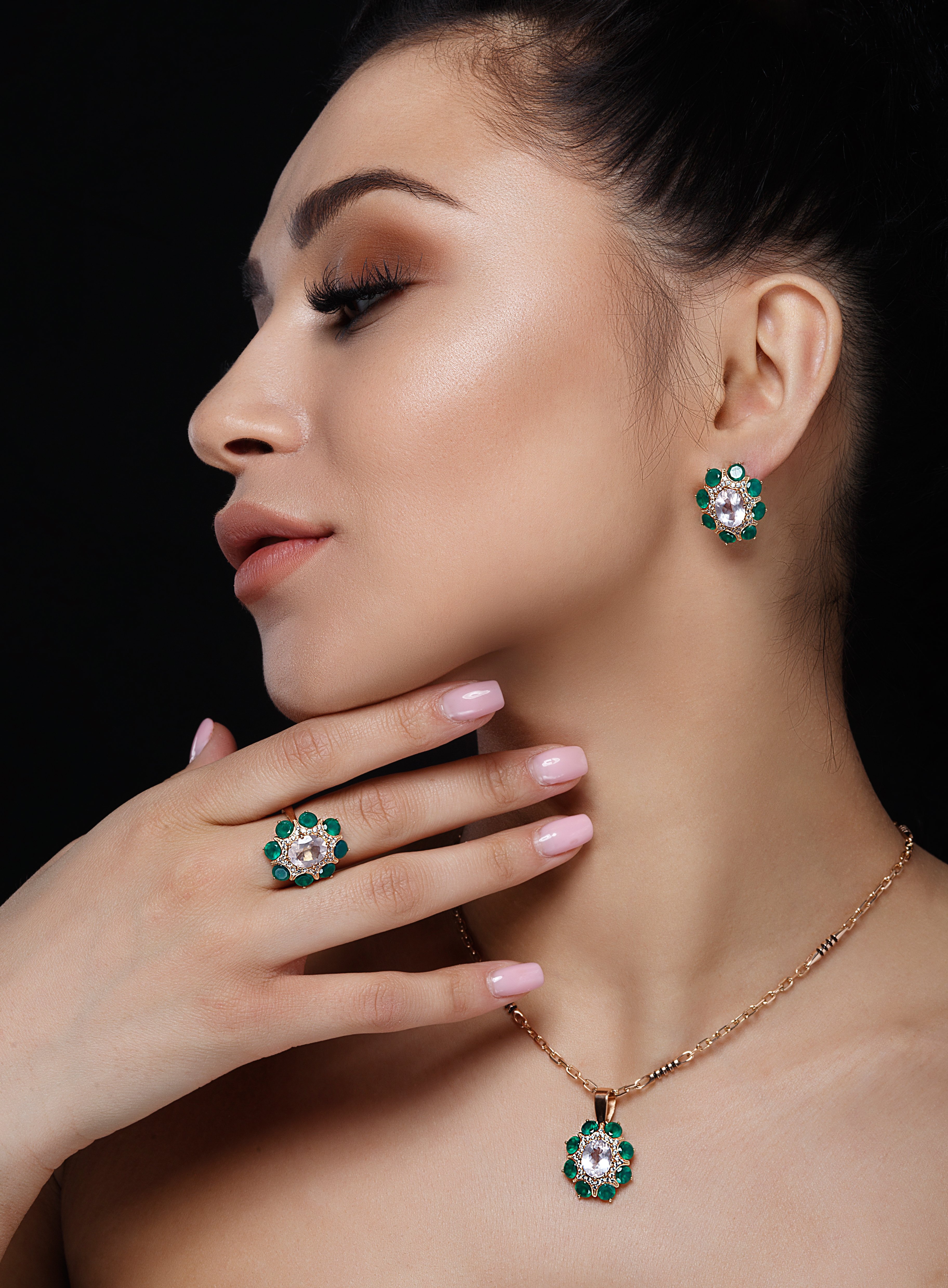
Carat weight in diamonds doesn't always dictate their visual impact. It's often more crucial to consider the surface area of a diamond rather than just its weight, as surface area directly influences how prominent and visible the diamond appears.
When comparing carat weights, the increase in weight doesn't necessarily correlate directly with an increase in surface area. For instance, a 0.50 carat diamond might have a surface area of 5.1 square millimeters, whereas a one carat diamond would only increase that surface area to around 6.5 square millimeters. This represents a 27% increase in surface area despite doubling the carat weight.
Moreover, the visual differences between various carat sizes can be subtle to the untrained eye. While a 0.25 carat diamond will clearly look smaller than a 2 carat diamond, the disparity between a 0.90 carat and a 1 carat diamond is less pronounced in appearance despite the numerical difference in weight. Thus, understanding the relationship between carat weight and diamond appearance helps in making informed decisions when selecting a diamond for its visual impact.
Carat weight plays a significant role in the appearance and value of a diamond, but it's essential to consider the other Cs—cut, clarity, and color—to ensure you select a diamond that not only looks impressive in size but also sparkles brilliantly.
When choosing a diamond based on carat weight:
By balancing carat weight with the other essential factors of cut, clarity, and color, you can select a diamond that not only meets your size preferences but also dazzles with its brilliance and visual appeal.
Carat and karat are two distinct terms used in jewelry that often cause confusion:
In the UK, both terms are referred to as "carat," which can lead to confusion. When shopping for a diamond ring, it's important to understand the distinction: a 1ct diamond ring in 14K gold means the diamond weighs 1 carat, and the gold is 14 karat, indicating it is 58.3% pure gold mixed with other metals for strength and durability.
Understanding the difference between carat (diamond weight) and karat (gold purity) ensures you make informed choices when selecting jewelry that meets your preferences for both diamond size and gold quality.
Lab grown diamonds can achieve substantial carat weights, similar to mined diamonds. Some lab grown diamonds have been found weighing up to an impressive 15 carats!
Many shoppers favor lab grown diamonds for their value proposition. They are typically more affordable than mined diamonds, allowing buyers to opt for larger carat weights without exceeding their budget. Additionally, they are ethically sound, being conflict-free, which appeals to socially-conscious consumers.
While carat size influences a diamond's appearance, it shouldn't be the sole factor in your decision-making. When selecting lab grown diamond jewelry, such as engagement rings, necklaces, or earrings, prioritize diamonds that balance carat weight with cut, clarity, and color. This approach ensures that you get a diamond with optimal sparkle and brilliance.